Chinese Restaurant Menus Full of Comfort and Character
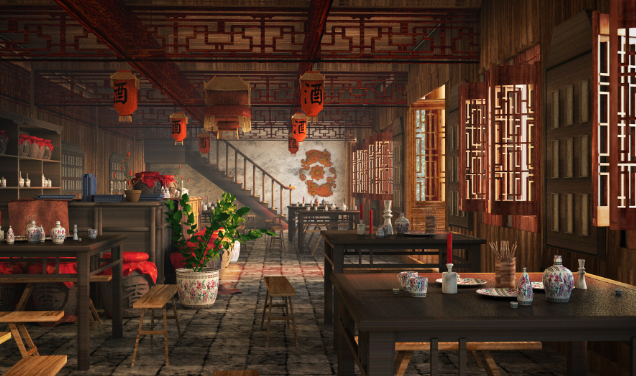
Chinese restaurant menus often bring together comforting favorites and distinctive dishes that give every meal its own personality. A familiar bowl of noodles can share the table with aromatic dumplings, roasted meats, fragrant seafood, crisp vegetables, and regional specialties. This variety allows diners to choose foods https://www.newhongkongchineserestaurant.com/ that feel reassuring while still leaving room for discovery. Chinese cuisine builds much of its character through sauces, spices, cooking techniques, textures, and carefully balanced flavors. Steaming can preserve delicate ingredients, wok cooking can create smoky aromas, and slow braising can develop deep savory notes. Shared dining adds another layer because guests can order several dishes and enjoy them together. Whether someone prefers mild flavors, bold spices, tender meats, or fresh vegetables, a well-rounded menu can create a satisfying experience that feels both familiar and intriguing.
Comfort Begins With Familiar Favorites
Comfort food often provides the easiest starting point for a Chinese restaurant meal. Fried rice, noodle soups, dumplings, steamed buns, and simple stir-fried dishes can offer recognizable textures and satisfying flavors. These dishes may remind diners why they enjoy Chinese cuisine while providing enough flexibility for different preferences. Familiar selections also work well when a group includes guests with varying levels of culinary curiosity. One person can choose a trusted favorite while others explore less familiar dishes. This balance keeps the meal welcoming without making the menu feel predictable.
Dumplings Bring Character
Dumplings can add personality to a table through their fillings, textures, and cooking methods. Steamed versions tend to highlight delicate wrappers and juicy fillings, while pan-fried dumplings introduce crisp surfaces. Soup-filled varieties offer another experience through their flavorful broth inside the wrapper. Fillings can range from pork and shrimp to mushrooms, vegetables, and other combinations. Dipping sauces provide additional contrast with vinegar, soy, sesame, or chili. Sharing several dumpling styles allows diners to compare them and discover which combinations suit their preferences. Their versatility makes dumplings one of the most useful choices for a varied meal.
Noodles Create a Sense of Warmth
Noodles have a natural connection with comfort because their texture and warmth make them satisfying across different preparations. Chinese restaurants may serve noodles in clear broths, rich soups, savory sauces, or wok-fried dishes. Handmade noodles can provide a firm, chewy texture, while thinner varieties may work beautifully with lighter broths. Beef, pork, seafood, mushrooms, greens, and scallions can change the overall character of each bowl or plate. Diners can choose a familiar protein while exploring a new preparation, creating a meal that feels approachable yet different.
Roast Duck Adds Richness
Roast duck can give a menu a luxurious sense of character through its aroma, texture, and careful preparation. Roasting creates a flavorful exterior while keeping the meat tender. Accompaniments and sauces can balance the richness with sweetness, freshness, or savory depth. Sharing roast duck also allows diners to combine smaller portions with vegetables, rice, noodles, and lighter dishes. The contrast creates a more balanced table while giving the meal a memorable centerpiece. For guests seeking something more distinctive than an everyday entrée, roast duck offers an appealing option.
Char Siu Brings Sweet and Savory Notes
Char siu offers another roasted specialty that balances gentle sweetness with savory depth. The marinade helps create a fragrant surface while controlled cooking keeps the meat tender. Thin slices work well with steamed rice, noodles, vegetables, or other shared dishes. Its balanced flavor can appeal to diners who enjoy richer foods without wanting aggressive spice. Char siu also demonstrates how Chinese cooking can create complexity through seasoning and roasting rather than relying on excessive ingredients. A few well-prepared slices can add substantial character to a shared table.
Seafood Introduces Freshness
Seafood can provide an important contrast to heavier dishes. Fish, shrimp, squid, and shellfish can appear steamed, stir-fried, braised, or paired with aromatic sauces. Steamed fish with ginger and scallions can highlight delicate flavors, while garlic and chili can produce a bolder profile. Shrimp often combines natural sweetness with savory sauces, creating another form of balance. Including seafood alongside roasted meats or rich noodles keeps the meal varied. Diners can also compare preparation methods to see how cooking techniques influence texture and flavor.
Vegetables Add Balance
Vegetable dishes can bring freshness and color to menus filled with rich flavors. Chinese broccoli, bok choy, eggplant, mushrooms, snow peas, bean sprouts, and leafy greens can all receive distinctive preparations. Stir-frying can preserve crispness and create fragrant wok aromas, while braising allows sauces to penetrate more deeply. Garlic, ginger, sesame, and fermented ingredients can transform vegetables into flavorful dishes rather than simple side orders. Their presence helps balance meats and fried foods while giving diners another way to explore Chinese cooking traditions.
Tofu Absorbs Bold Flavors
Tofu provides an excellent foundation for sauces and seasonings because its mild character allows surrounding flavors to stand out. Silky tofu can work with delicate sauces, while firmer tofu can hold up well in stir-fries and braised preparations. Spicy sauces, fermented ingredients, garlic, ginger, and scallions can all change its personality. Dishes such as mapo tofu demonstrate how a soft ingredient can carry intense savory and spicy flavors. Diners who normally overlook tofu may find it surprisingly satisfying when prepared with the right combination of texture and seasoning.
Fried Rice Delivers Familiar Satisfaction
Fried rice remains a dependable choice because it combines comfort with flexibility. Eggs, vegetables, shrimp, chicken, pork, scallions, and other ingredients can create different versions. High-heat cooking develops aroma while helping individual ingredients retain their identity. Fried rice also works well alongside dishes with stronger flavors because its familiar profile provides a gentle foundation. A table can pair it with spicy seafood, roasted meat, vegetables, or dumplings to create contrast. Even a familiar fried rice dish can feel distinctive when a restaurant gives it its own ingredient balance and cooking style.
Soups Bring Gentle Depth
Soup can add warmth and balance to a shared meal. Clear broths can highlight delicate ingredients, while richer soups may combine meat, seafood, tofu, mushrooms, or vegetables. Ginger and scallions can provide fragrance without overwhelming the other flavors. A shared bowl of soup also creates a natural pause between richer dishes. Diners can enjoy a few spoonfuls before returning to roasted meats, dumplings, or noodles. This rhythm can make the meal feel more complete and relaxed.
Regional Dishes Build Personality
Regional specialties can give Chinese restaurant menus much of their character. Sichuan dishes may emphasize chili, Sichuan peppercorns, and fermented seasonings, while Cantonese cooking often highlights freshness and careful preparation. Northern traditions feature wheat-based foods such as noodles, dumplings, and steamed breads. Other regions contribute distinctive rice dishes, seafood preparations, braised foods, and aromatic sauces. Exploring regional selections allows diners to understand how geography and local ingredients influence Chinese cuisine. It also prevents the dining experience from becoming limited to a narrow collection of familiar dishes.
Sauces Define Different Flavors
Sauces can completely change how an ingredient tastes. Soy sauce contributes savory depth, vinegar adds brightness, sesame creates nuttiness, and chili introduces heat. Sweet and savory sauces can complement roasted meats, while fermented sauces can give vegetables, tofu, and seafood greater complexity. Diners can pay attention to sauces when choosing unfamiliar dishes because they often determine the overall flavor direction. A familiar ingredient prepared with a different sauce can feel like an entirely new dish. This flexibility gives Chinese restaurant menus considerable range.
Texture Gives Food More Character
Texture plays an important role in making a meal memorable. Crispy roasted skin, tender meat, chewy noodles, silky tofu, juicy dumplings, and crunchy vegetables can all appear together. Different cooking techniques create these contrasts, allowing diners to experience several sensations during one meal. A crispy dish can provide excitement beside a soft preparation, while crunchy vegetables can refresh the palate after richer foods. Paying attention to texture makes dining more engaging because guests begin to notice how cooking methods shape the entire eating experience.
Tea Complements the Meal
Tea can bring a subtle sense of tradition to the dining table. Jasmine tea offers floral fragrance, green tea provides freshness, while oolong and pu-erh bring deeper aromas. Sipping tea between dishes can refresh the palate after spicy, fried, or richly seasoned foods. Sharing a pot also encourages conversation and creates a slower dining rhythm. Tea does not need to compete with the food. Instead, it can provide a gentle counterpoint that helps diners appreciate the changing flavors throughout the meal.
Shared Plates Make Menus More Exciting
Shared dining allows guests to experience more of what a menu offers. A group can order dumplings, noodles, roasted meat, seafood, vegetables, rice, and soup instead of limiting the table to individual entrées. Each diner can sample smaller portions and discover unexpected favorites. Sharing also creates opportunities to compare flavors and textures. A spicy dish may taste especially enjoyable beside something mild, while a rich roasted specialty can benefit from a fresh vegetable preparation. This format turns the menu into a collection of possibilities rather than a single decision.
Familiar and Adventurous Choices Can Coexist
A satisfying Chinese restaurant meal does not require diners to choose between comfort and exploration. A table can include trusted favorites alongside one or two unfamiliar specialties. Someone may order fried rice while another chooses a regional noodle, unusual vegetable, or seafood preparation. This arrangement makes experimentation less intimidating and allows guests to expand their preferences gradually. Over time, dishes that once seemed unfamiliar may become regular favorites. The menu remains comforting while continuing to offer opportunities for discovery.
A Well-Balanced Table Has Personality
A Chinese restaurant menu becomes most appealing when diners think about how dishes interact. Rich meats can pair with fresh vegetables, spicy noodles can sit beside mild rice, and delicate seafood can balance heavier preparations. Dumplings add variety, tofu absorbs bold sauces, and soup creates warmth between courses. Tea can refresh the palate while shared plates encourage conversation. These elements work together to create a dining experience that feels generous and varied. Comfort provides familiarity, while character comes from regional traditions, cooking techniques, sauces, textures, and unexpected combinations.
Explore the Menu Beyond the Obvious
Chinese restaurant menus offer far more than a collection of standard dinner choices. They bring together comforting staples, regional specialties, bold seasonings, delicate preparations, and contrasting textures. Diners can enjoy noodles and fried rice while also exploring dumplings, roasted meats, seafood, tofu, vegetables, soups, and tea. Shared dining makes it easier to sample unfamiliar options, while thoughtful combinations keep the table balanced. The strongest menus give diners room to feel comfortable and curious at the same time, making every visit an opportunity to enjoy familiar flavors while discovering something with a little more character.