Breathing Exercises and Meditation for Better Sleep and Relaxation
Breathing exercises for better sleep can help create a calmer transition from a busy day to a restful night. Daily responsibilities, screen time, and racing thoughts can make it difficult to relax at bedtime. Combining gentle breathing with meditation offers a simple way to slow down, redirect attention, and establish a more peaceful evening routine. Exploring yoga365.online can also introduce relaxing movements that complement a bedtime practice.
How Breathing Supports Relaxation
Breathing happens automatically, but paying attention to it can provide a useful focus when the mind feels busy. Slow, comfortable breathing encourages a pause from everyday distractions and helps bring awareness to the present moment.
The goal is not to force every breath to become deep or to achieve a particular result immediately. Instead, allow the breath to remain smooth and natural. Relax the jaw, release tension in the shoulders, and notice how the body feels as you breathe in and out.
Practicing this approach regularly may help make relaxation a familiar part of the bedtime routine. Individual experiences vary, so focus on comfort rather than expecting an instant change in sleep quality.
Breathing Exercises for Better Sleep
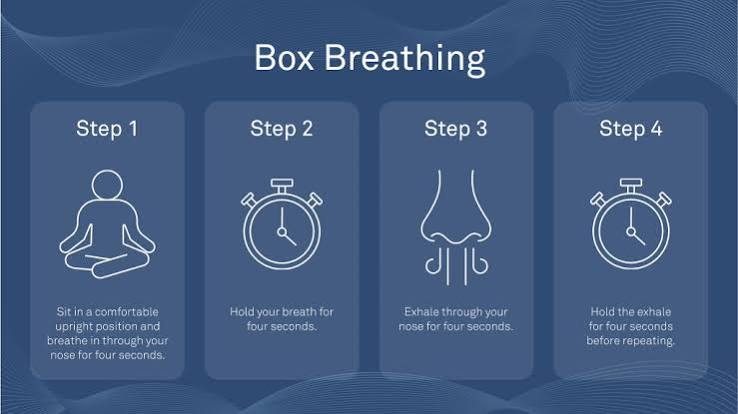
One simple technique is gentle paced breathing. Find a comfortable position, breathe in naturally, and allow the exhalation to last slightly longer than the inhalation if that feels easy. Continue for a few cycles without straining or holding the breath.
Another option is abdominal breathing. Place one hand lightly on the abdomen and notice its natural movement as you breathe. Keep the chest and shoulders relaxed, and avoid trying to pull in unusually large amounts of air.
If counting breaths helps you stay focused, count each comfortable exhalation and begin again when your attention wanders. Stop counting if it creates pressure or frustration. Anyone who feels dizzy or uncomfortable should return to normal breathing.
Using Meditation to Quiet a Busy Mind
Meditation can complement breathing exercises by helping you notice thoughts without becoming caught up in each one. Before bed, sit or lie comfortably and bring attention to the natural rhythm of your breathing.
When thoughts about work, school, or tomorrow’s responsibilities appear, acknowledge them gently and return your attention to the breath. There is no need to eliminate every thought. The practice is simply to notice when attention wanders and guide it back without judgment.
A body scan is another option. Move your attention gradually from the feet toward the head, noticing areas of tension and allowing them to soften when possible. This can provide a structured focus without requiring complex meditation techniques.
For more ideas, explore mindful breathing techniques for relaxation and adapt the practice to your preferred bedtime environment.
Creating a Peaceful Bedtime Routine
Consistency can make relaxation practices easier to maintain. Choose a regular time to dim the lights, put away stimulating screens, and spend a few quiet minutes breathing or meditating. A comfortable room and a predictable routine can also help signal that the day is winding down.
Keep expectations realistic. Some evenings may feel easier than others, and a wandering mind is a normal part of meditation. Choose techniques that feel comfortable, avoid forcing your breath, and allow the practice to fit naturally into your nightly schedule.